
Tips to Ensure a Healthy Digestive System
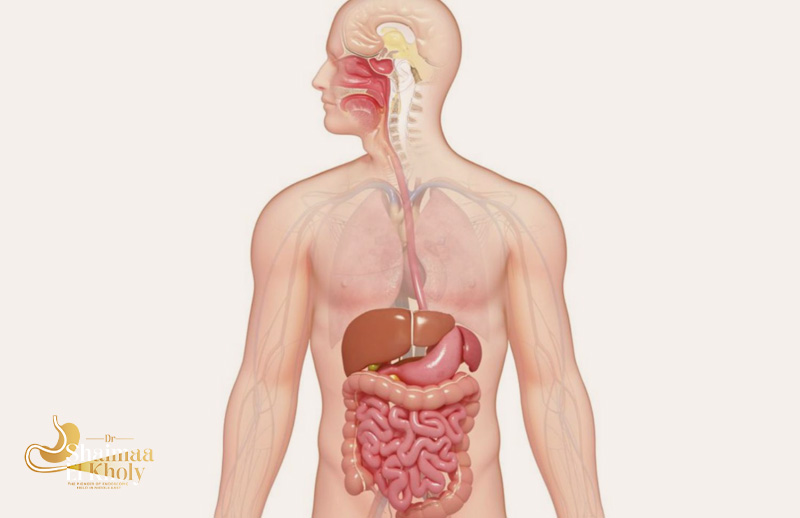
Neglecting the health of our digestive system can have negative effects on our lives, as it powers every cell in our bodies. Our diet and habits affect our digestive health. Here are some ways you can improve your digestive health:
1. Eat vegetables and fruits:
Vegetables and fruits contain healthy nutrients and fiber to support your digestive system and overall health. Their antioxidants have cancer-fighting properties, and fiber reduces the risk of constipation.
2. Eat whole grains and nuts:
Whole grains, such as brown rice, oatmeal, popcorn, whole-wheat products, and barley, contain dietary fiber, iron, antioxidants, and other healthy nutrients that are lost when they are used to make white flour, white bread, cookies, and pastries. Fiber also reduces the risk of constipation, and some whole grains support good gut bacteria.
3. Limit processed meats:
Processed meats typically contain an unhealthy amount of sodium, fat, and nitrates linked to colon cancer; eating processed meats has been linked to cancer, heart disease, and digestive issues. Healthier options are chicken, fish, and legumes.
4. Limit sugars:
Eating too much sugar can upset the balance of good bacteria and cause inflammation. Sugars are found in many products, especially baked goods, ice cream, and sweets.
5. Cook healthy food:
Fried and grilled foods have a downside, as fried foods contain unhealthy fats while grilling at a high temperature can create carcinogens. Steaming or boiling is preferable.
6. Eat foods that contain probiotics:
Probiotics are healthy bacteria that control bad bacteria and nourish your gut for healthy digestion. You can get them through yogurt, garlic, and onions.
7. Stay hydrated:
Drinking water helps prevent constipation and supports healthy bowel function. The amount of water we need daily depends on several factors such as our size, activity level, and health. In general, adults need 4 to 6 glasses of water per day.
8. Exercise regularly:
Regular exercise helps food move through the digestive system faster, reducing the risk of nausea, bloating, and constipation.
9. Maintain a healthy weight:
Maintaining a healthy weight reduces the chances of gastroesophageal reflux disease (GERD), gallstones, certain digestive cancers, and more.
10. Stop smoking:
Smoking is known to be bad for the lungs, but it is also bad for the digestive system as it significantly increases the risk of acid reflux. Quitting smoking has been shown to improve symptoms. Research has also found a link between smoking and stomach ulcers and increased rates of gastrointestinal cancers.
11. Get enough sleep:
Lack of sleep affects all body systems, including the digestive system. Sleep deprivation can lead to inflammatory bowel diseases, which can cause gastrointestinal symptoms, so get 7-9 hours of quality sleep every night.
12. Reduce stress:
Long-term stress negatively affects overall health and is associated with diarrhea, constipation, irritable bowel syndrome, and ulcers. Therefore, stress reduction methods such as yoga, meditation, breathing exercises, and physical exercise are recommended as they benefit the digestive process.
Everyone faces digestive issues at some point that can disrupt daily activities. If you are suffering from digestive disorders, consult Dr. Shaimaa El Kholy, Associate Professor of Advanced Interventional Gastrointestinal Endoscopy (ESD & Third Space Endoscopy), Faculty of Medicine, Cairo University.